ACADEMIC FIGURE DRAWING INSTRUCTION
I earned my BFA from the Savannah College of Art and Design in Savannah, Ga. before studying at Lyme Academy of Fine Arts in Old Lyme, Conn. and the Florence Academy of Art in Florence, Italy.
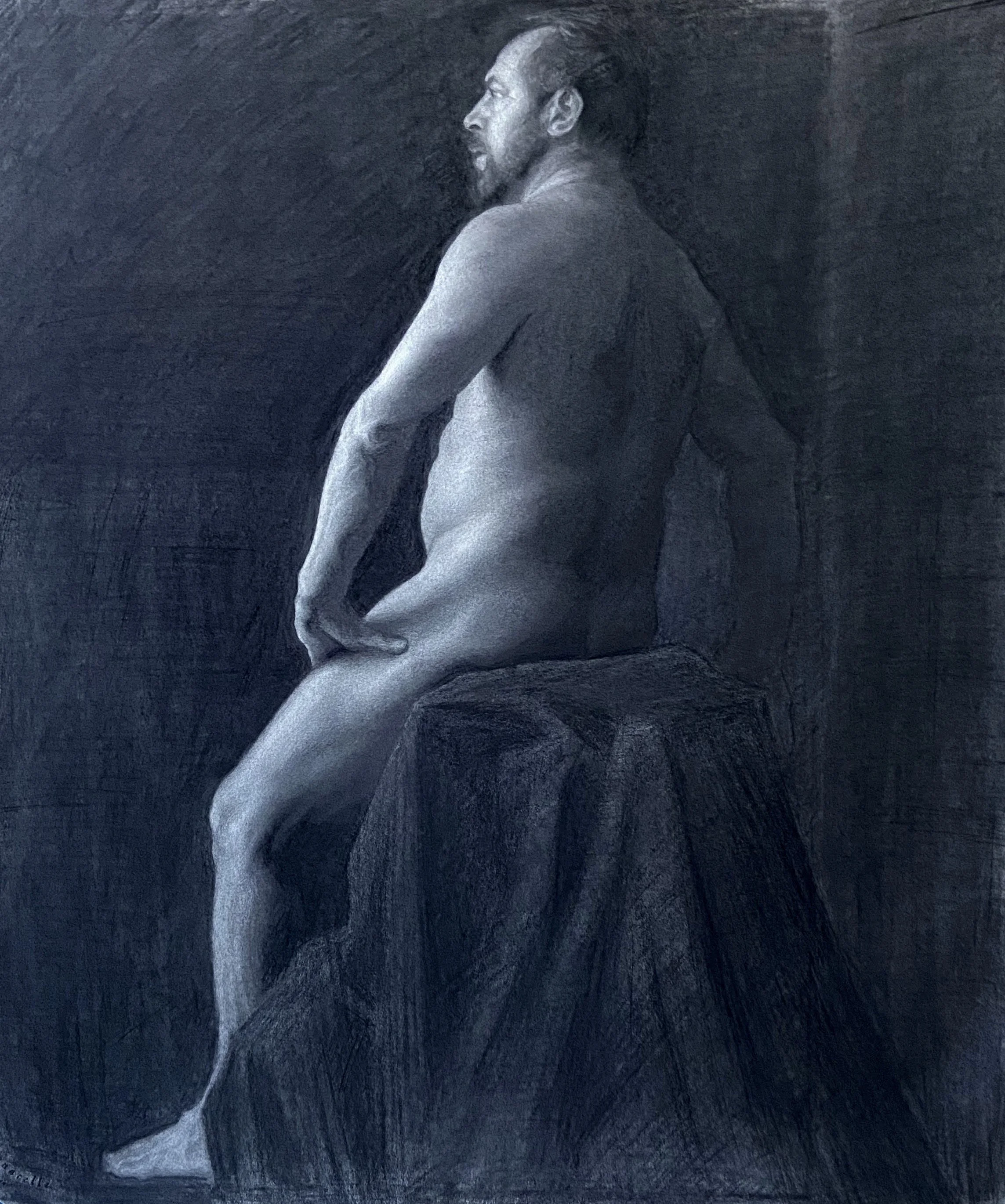
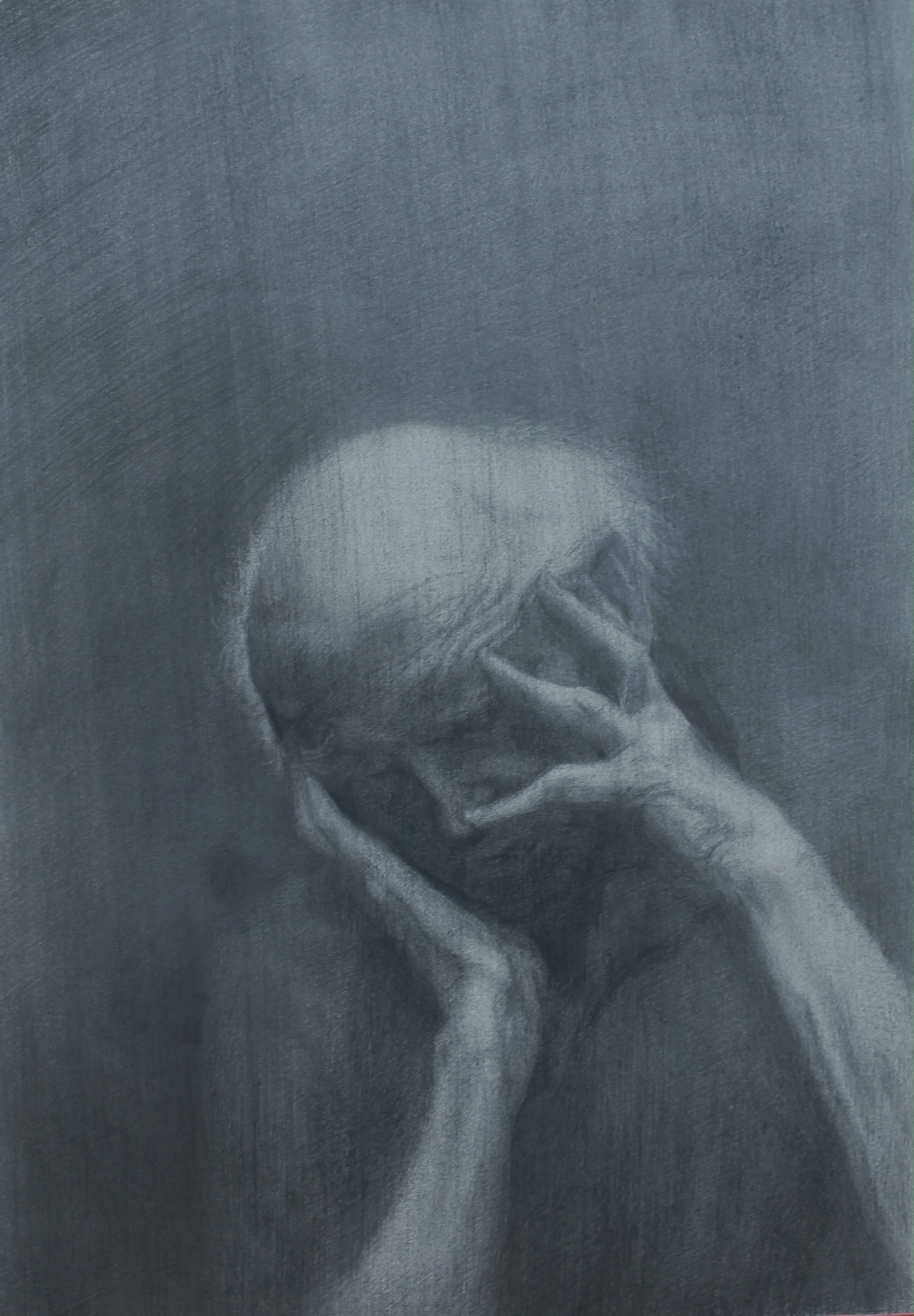
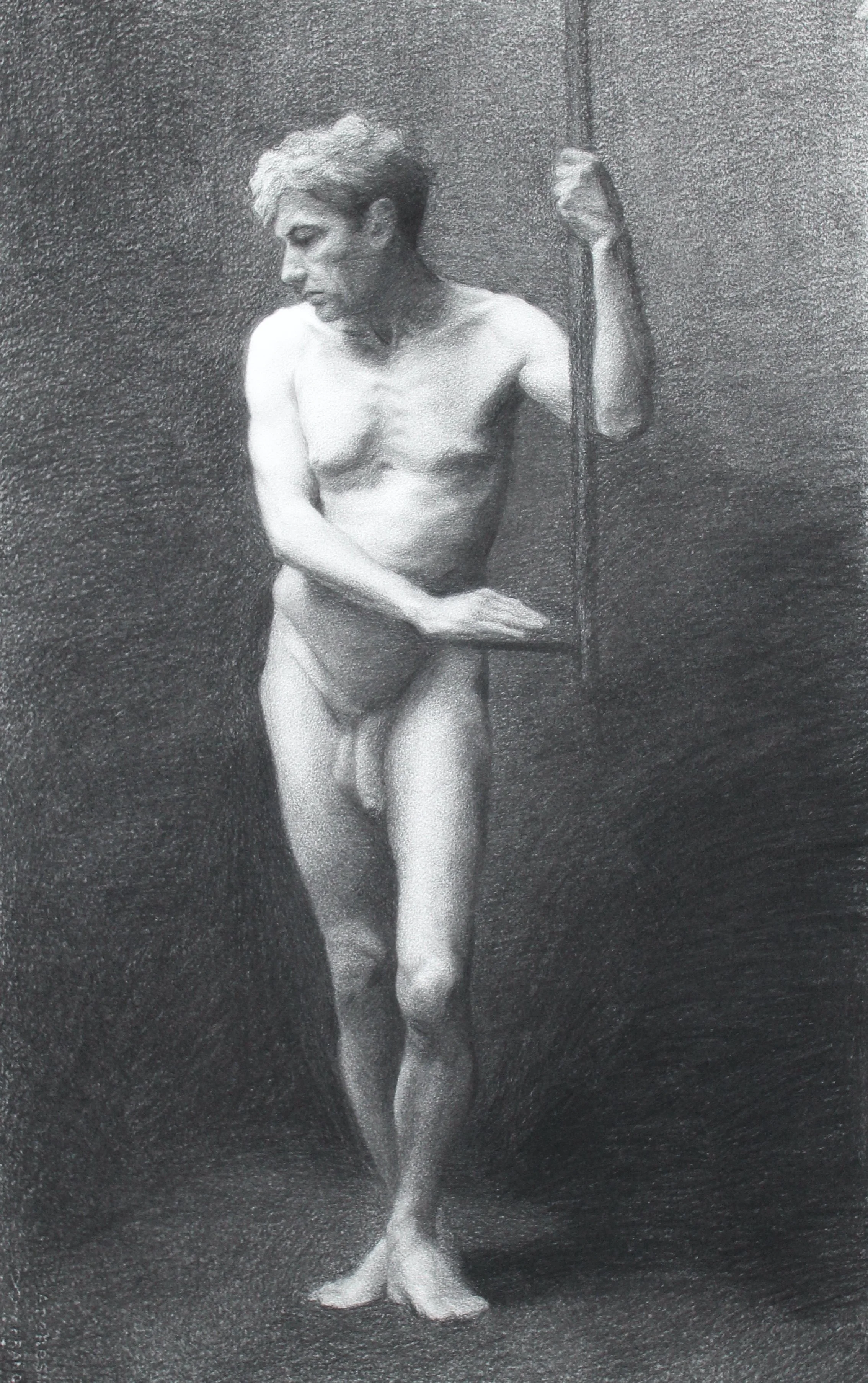
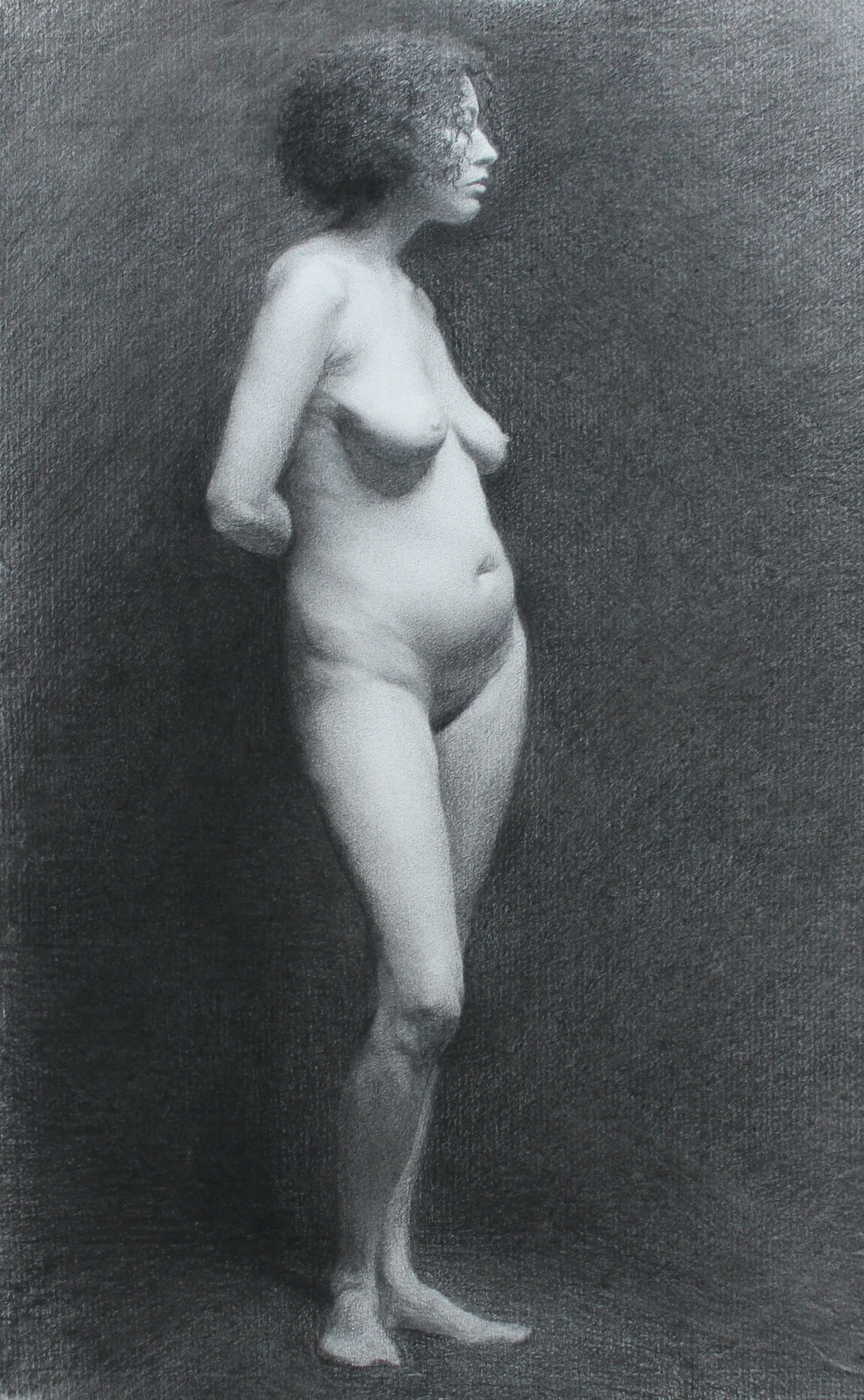
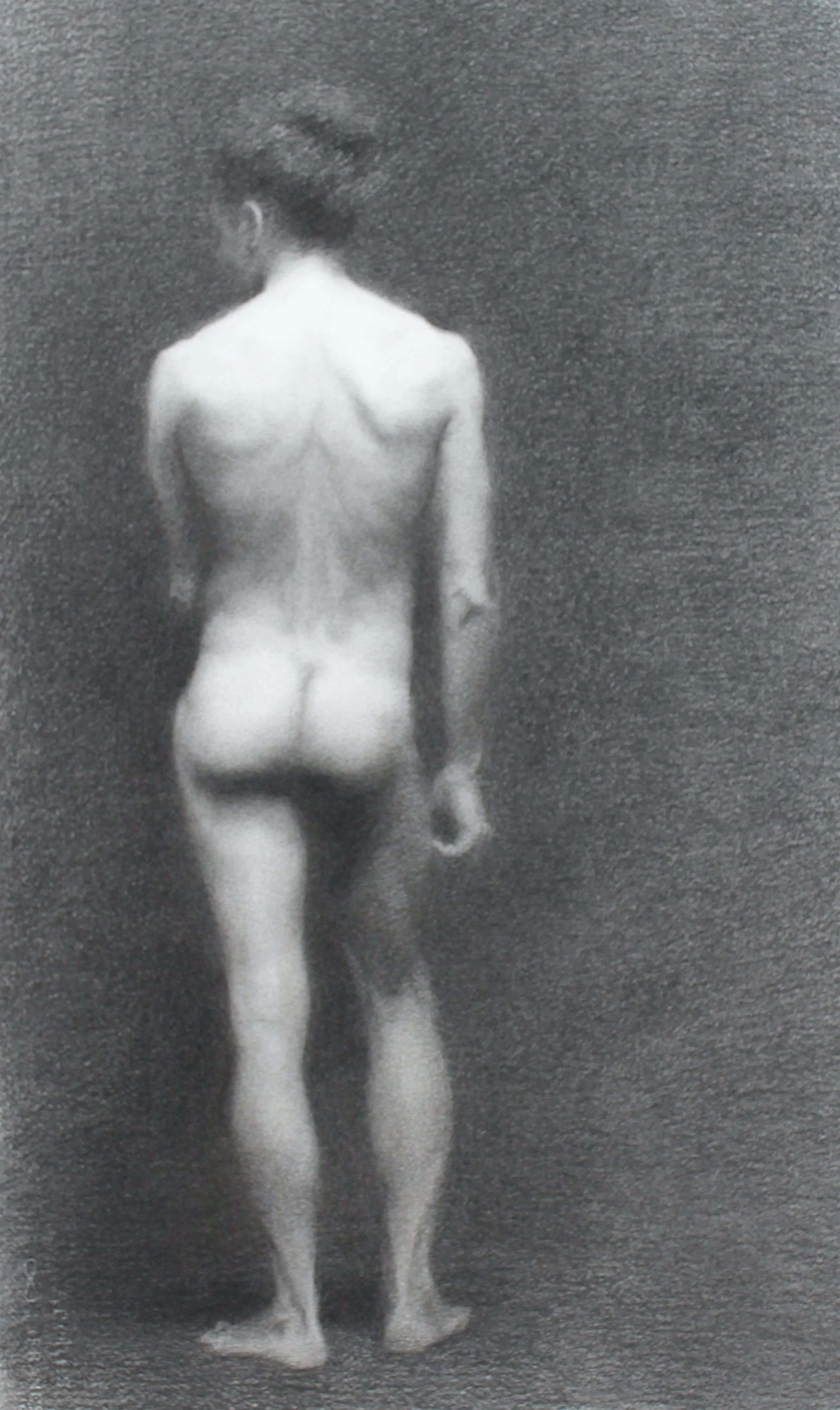
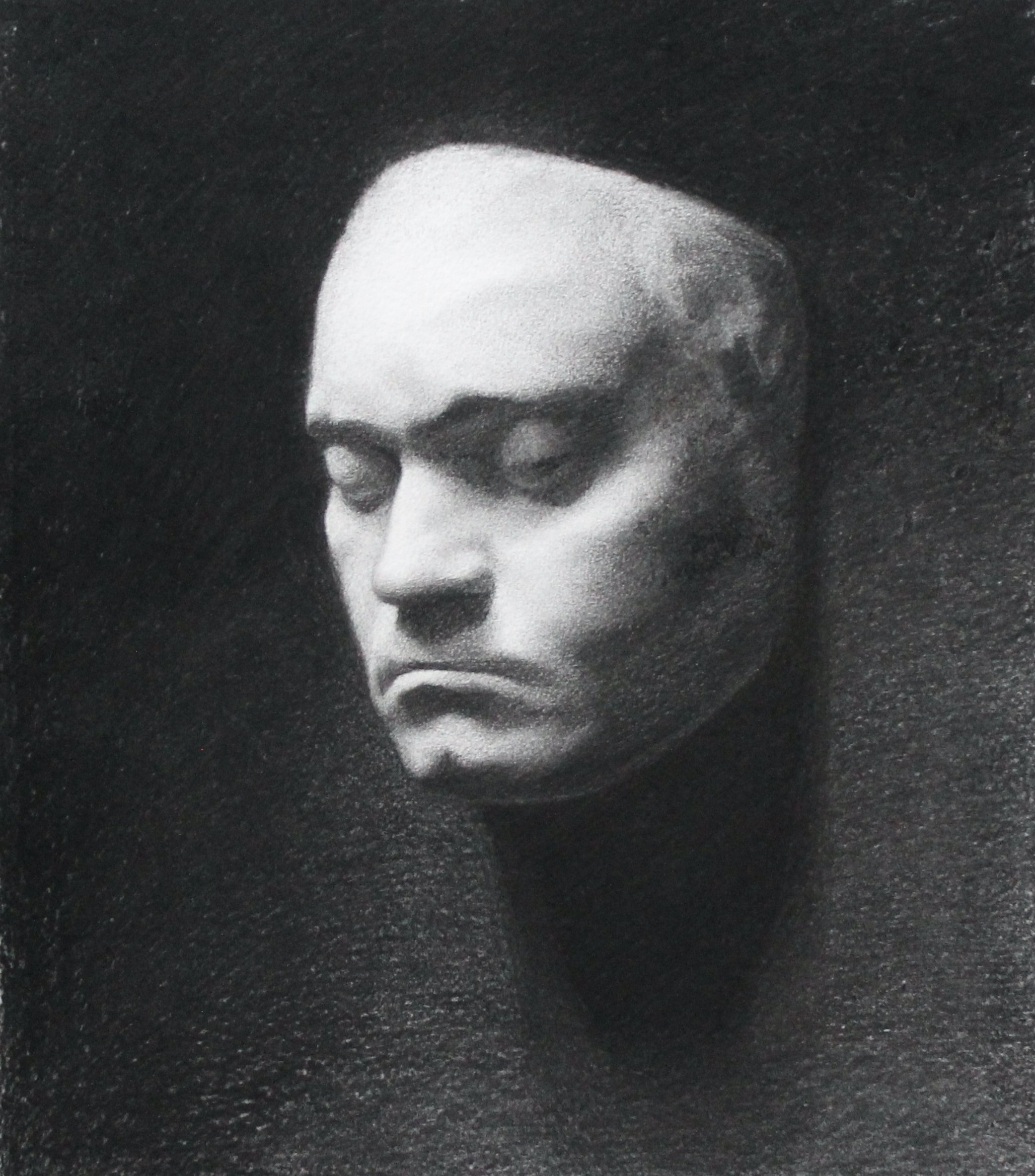
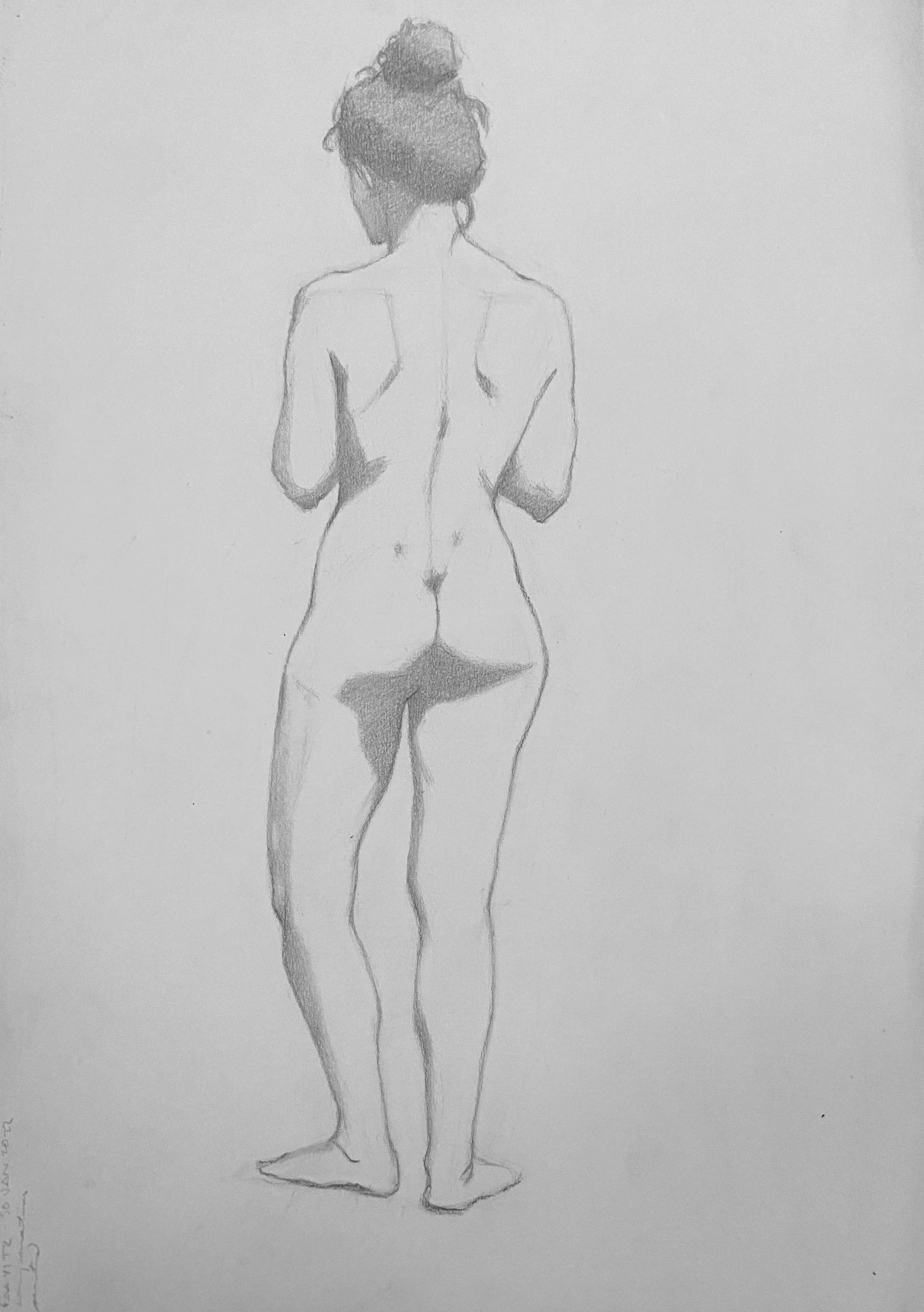
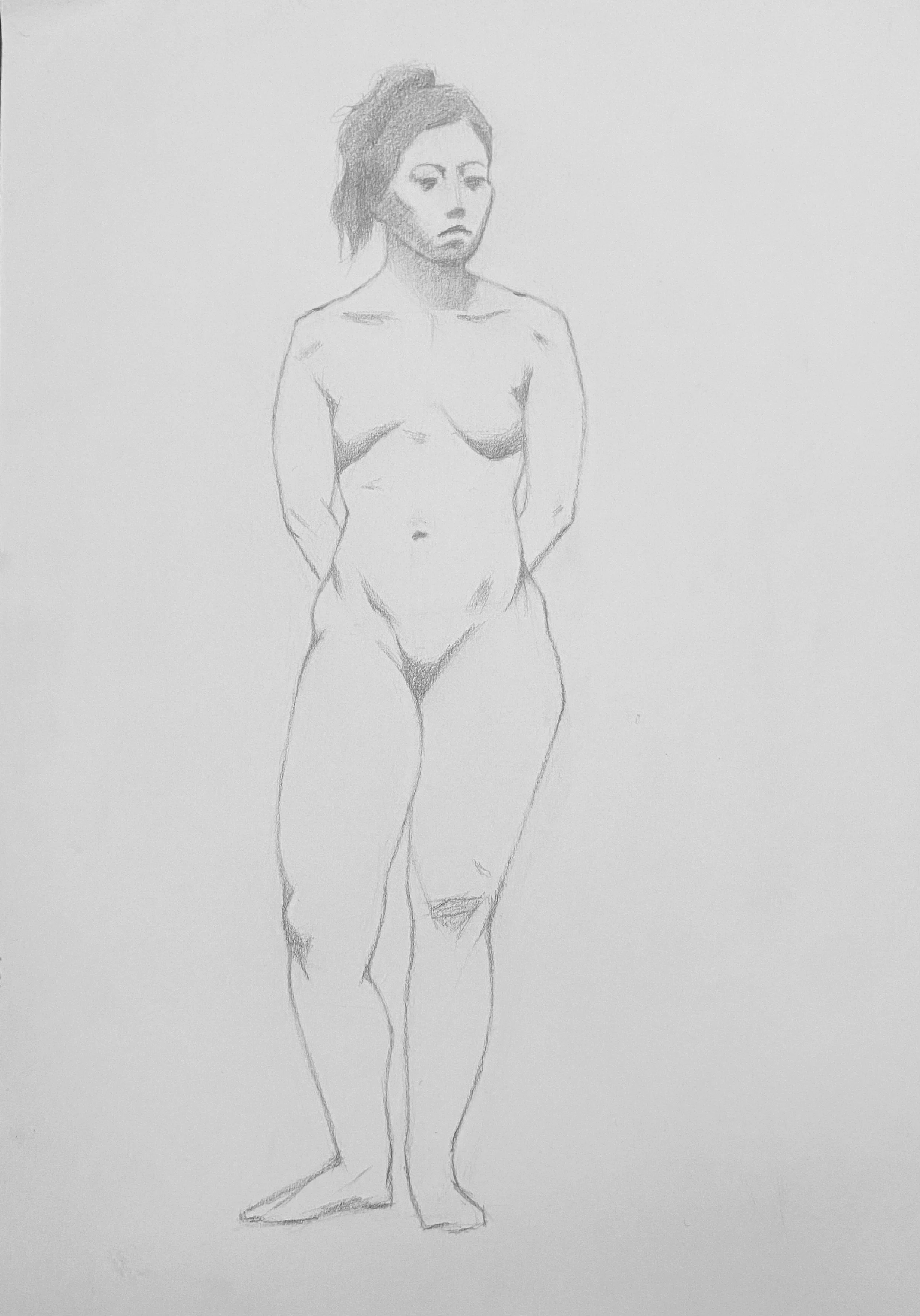
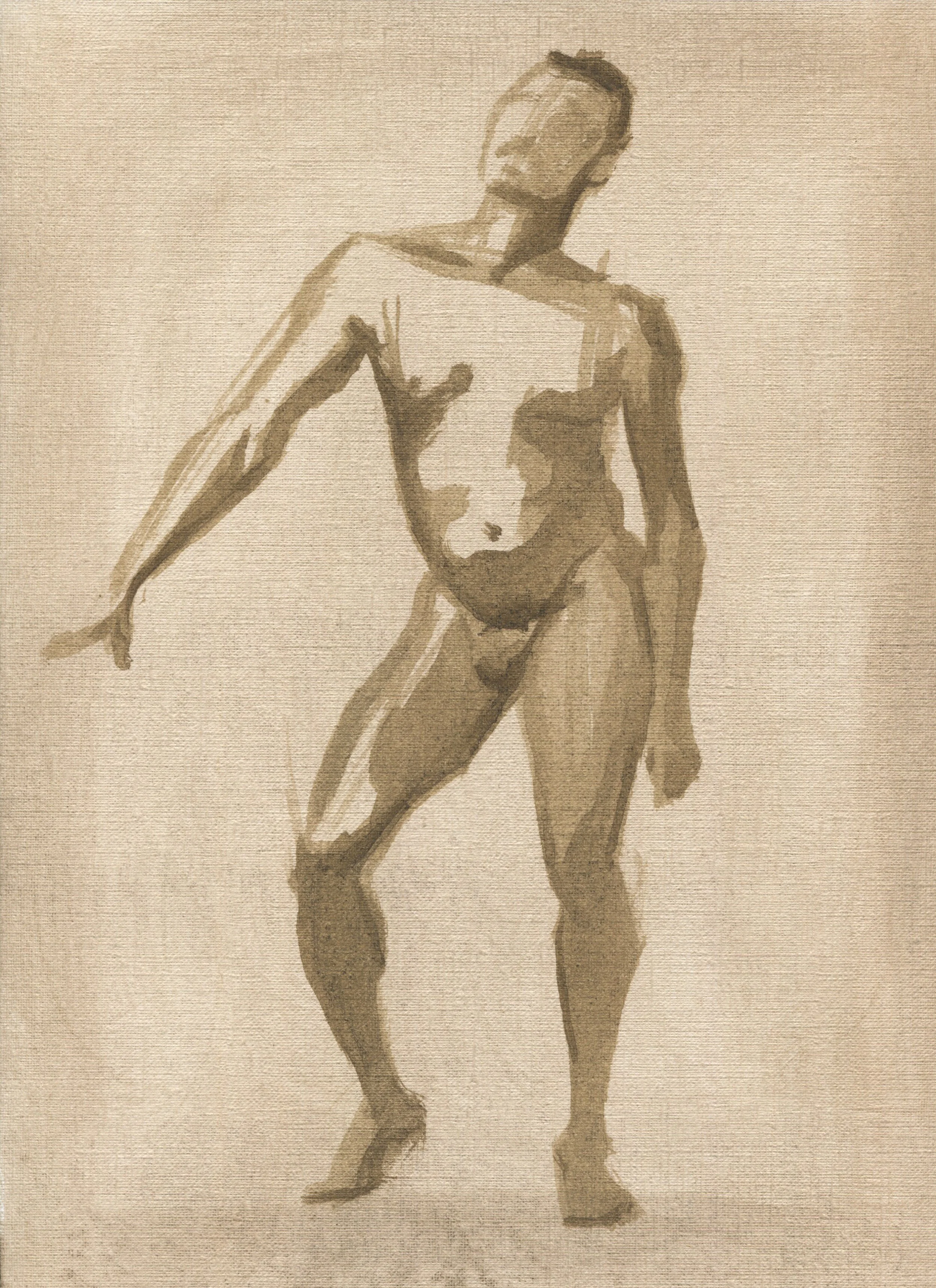
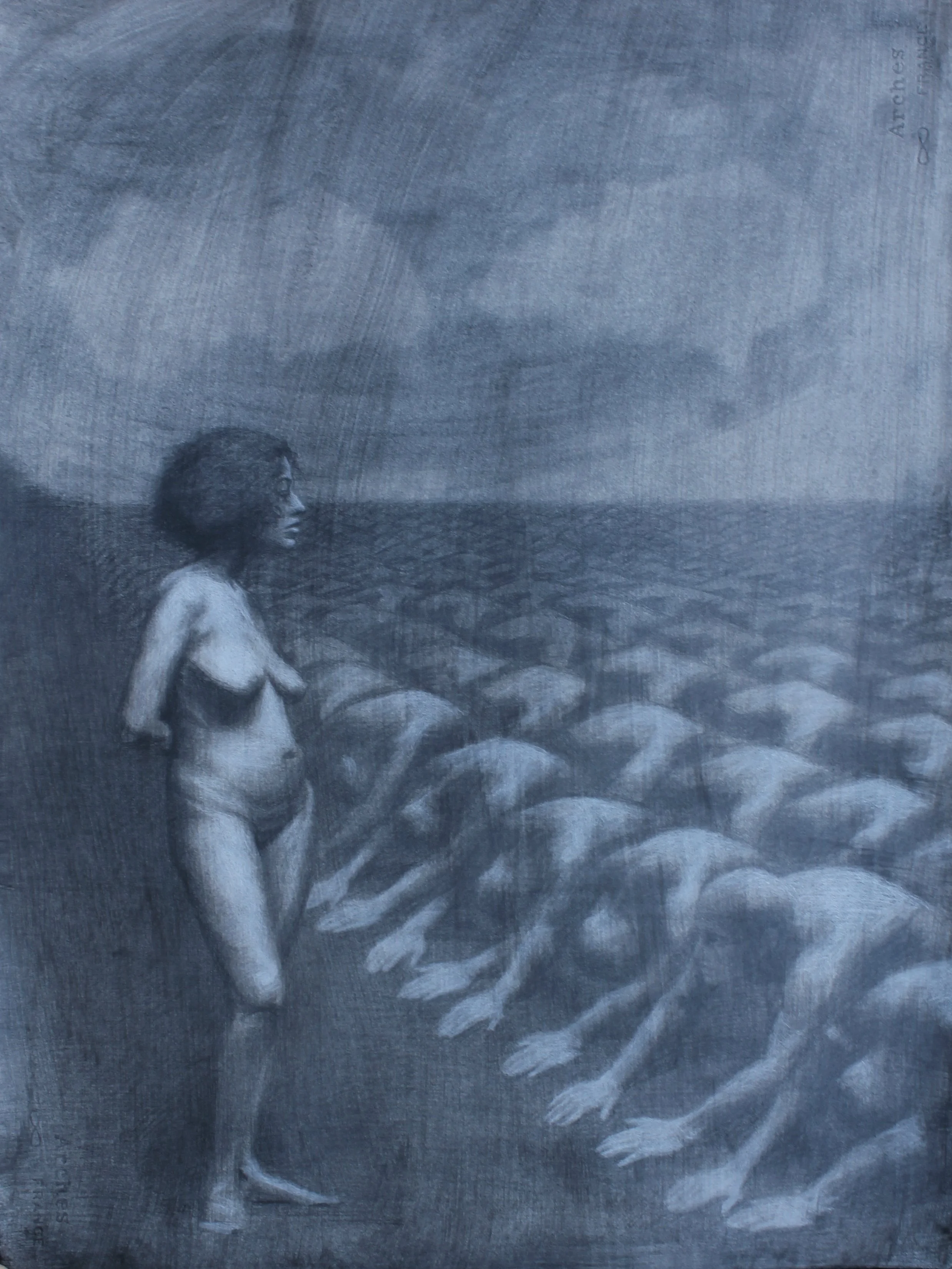
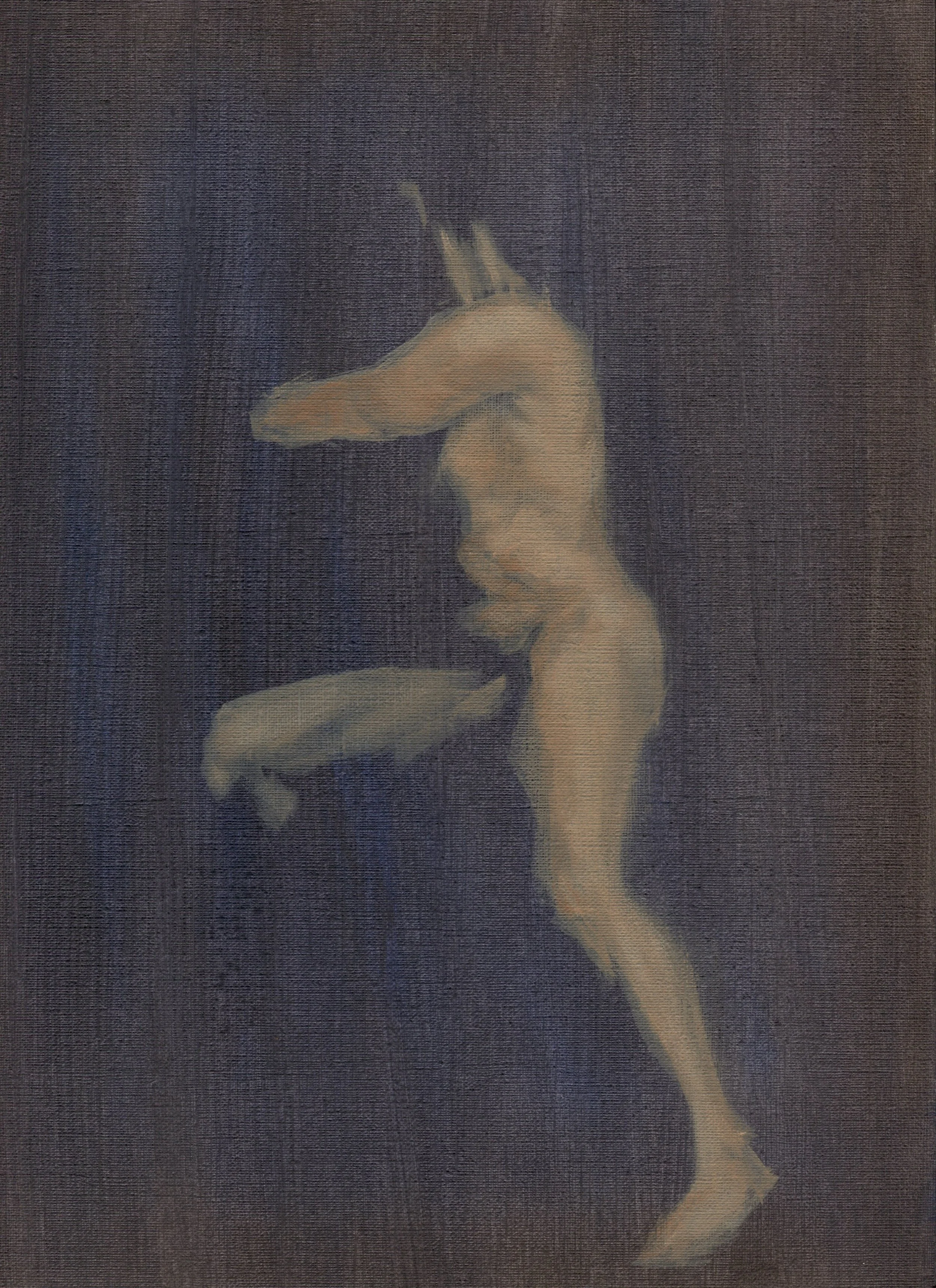
While I am still searching for the right teaching environment (with enough space and natural light), you may sign up below if you are interested in learning the academic figure drawing method. My instruction includes both sight-size and comparative measurement, is rooted in deep anatomical understanding, and combines both structural and optical approaches.
These lessons are not about creative experimentation; they are about training the eye for accuracy and genuine, deep understanding of the human figure.
If sufficient interest is expressed by prospective students, I will be able to confidently rent the space and equipment needed. If you’re interested, please sign up below and I will email everyone if/when I have a space.
“Whatever it is, the way you tell your story online can make all the difference.”




ON MY DRAWING PHILOSOPHY
For the human being to draw realistically - and to draw, of all things, another human being, the subject with which we are at once both most intimate and most biased - requires a rigorous discipline of mind in which we constantly check our assumptions. This practice of skepticism necessitates an increased awareness of the thought process, constantly bringing our attention back to the present moment, to the reality before our eyes. Drawing accurately from life requires us to quiet the emotions, detach from any egoic notion of performance or competition, and learn to see in a new and different way.
We are forced to no longer take our assumptions about reality for granted, but to realize, for instance, that the eyes we thought were identical are actually slightly different shapes and sizes; that the face is not entirely symmetrical; that there is a beautiful, subtle S-curve to the rhythm of the body; that the brown skin contains within it flecks of green, blue, red, yellow, violet; that as the form turns away from us, the chroma intensifies slightly and the transition from light to dark is faster and sharper here than there…
The act of slowing down and truly observing forces us to savor the detail and the whole, the simultaneous simplicity and complexity, and overall unity, of the subject. A human being becomes, on one hand, a composite object of analyzed shapes, edges, values, and hues; and on the other hand, a breathtakingly unique living creature who connects us to the ineffable essence that beats the eternal drum of all humanity, all life.
The method also requires students to become comfortable with mistakes, which are both inevitable and necessary, learning that it is the act of adjustment and correction that is the true practice of sight and understanding – for we must all pass through error to arrive at truth.
This practice helps us to transcend reality even as we remain firmly grounded in it. In drawing from life we come into closer contact with that life, which is also our own, and to approach yet another of the singularities at the heart of every dichotomy: between mind and body, between emotion and intellect, between seeing and understanding. At the point of flow state, these dichotomies dissolve and oneself, as subject, is at one with the object of observation: we experience Oneness.