FIGURE DRAWING INSTRUCTION
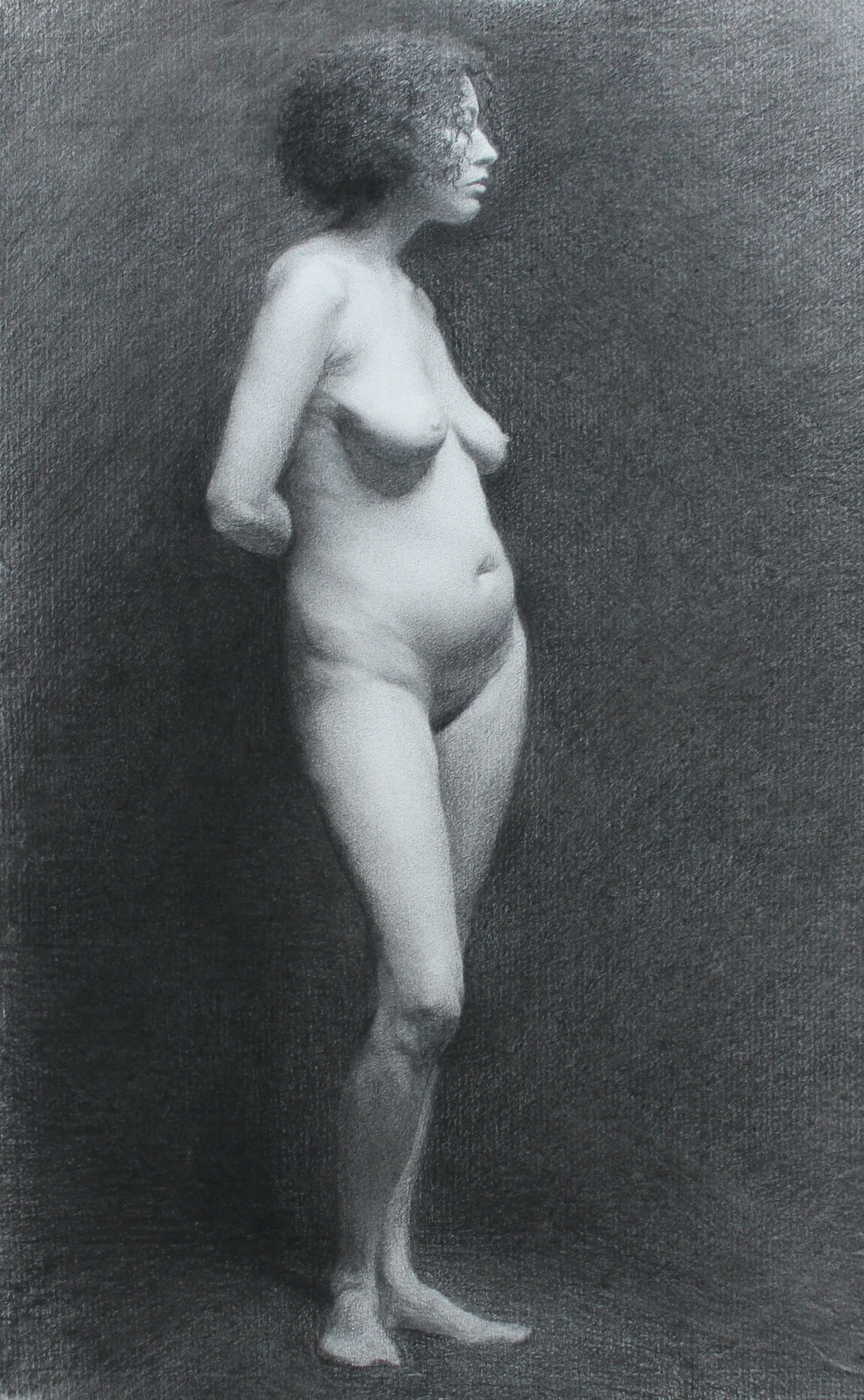
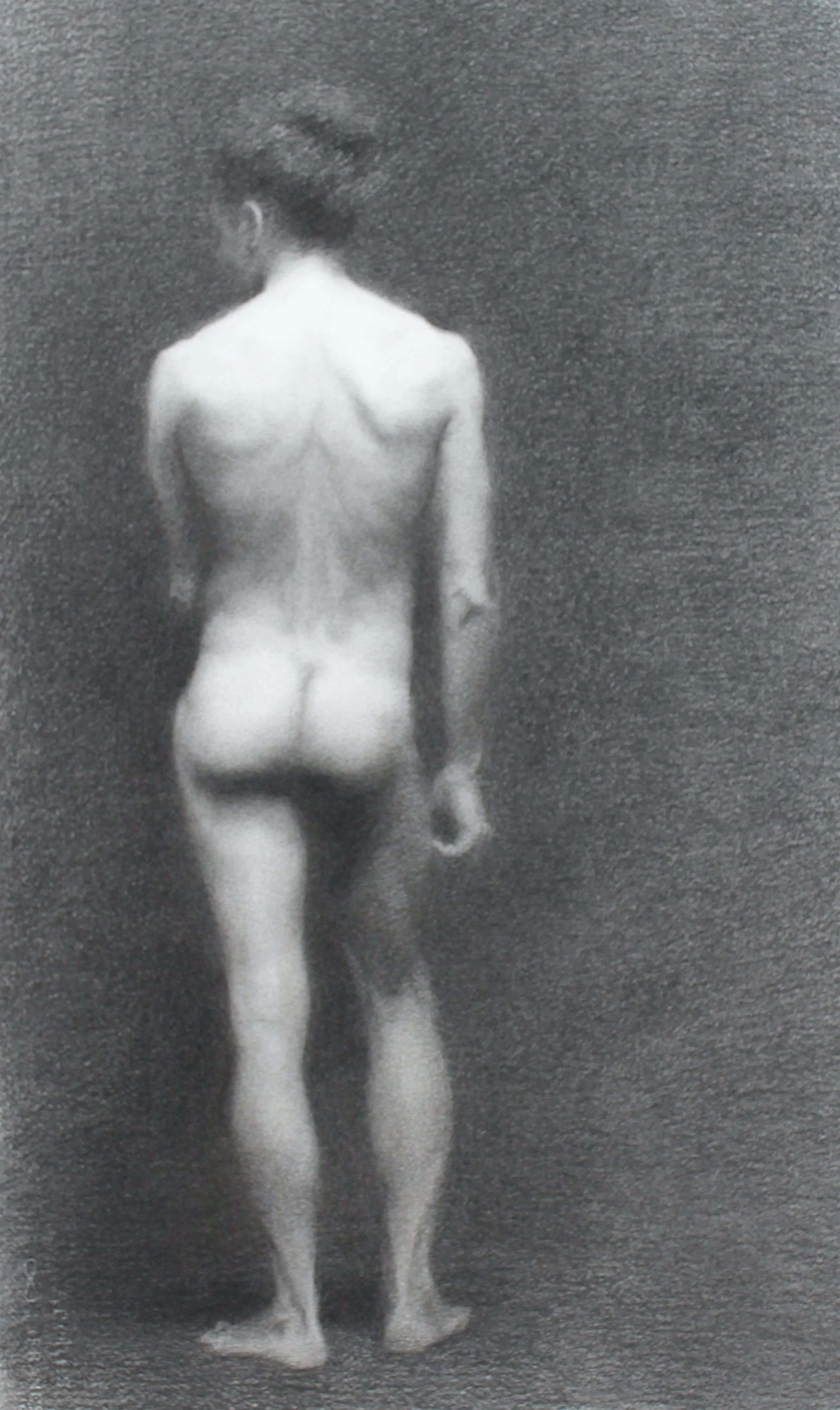
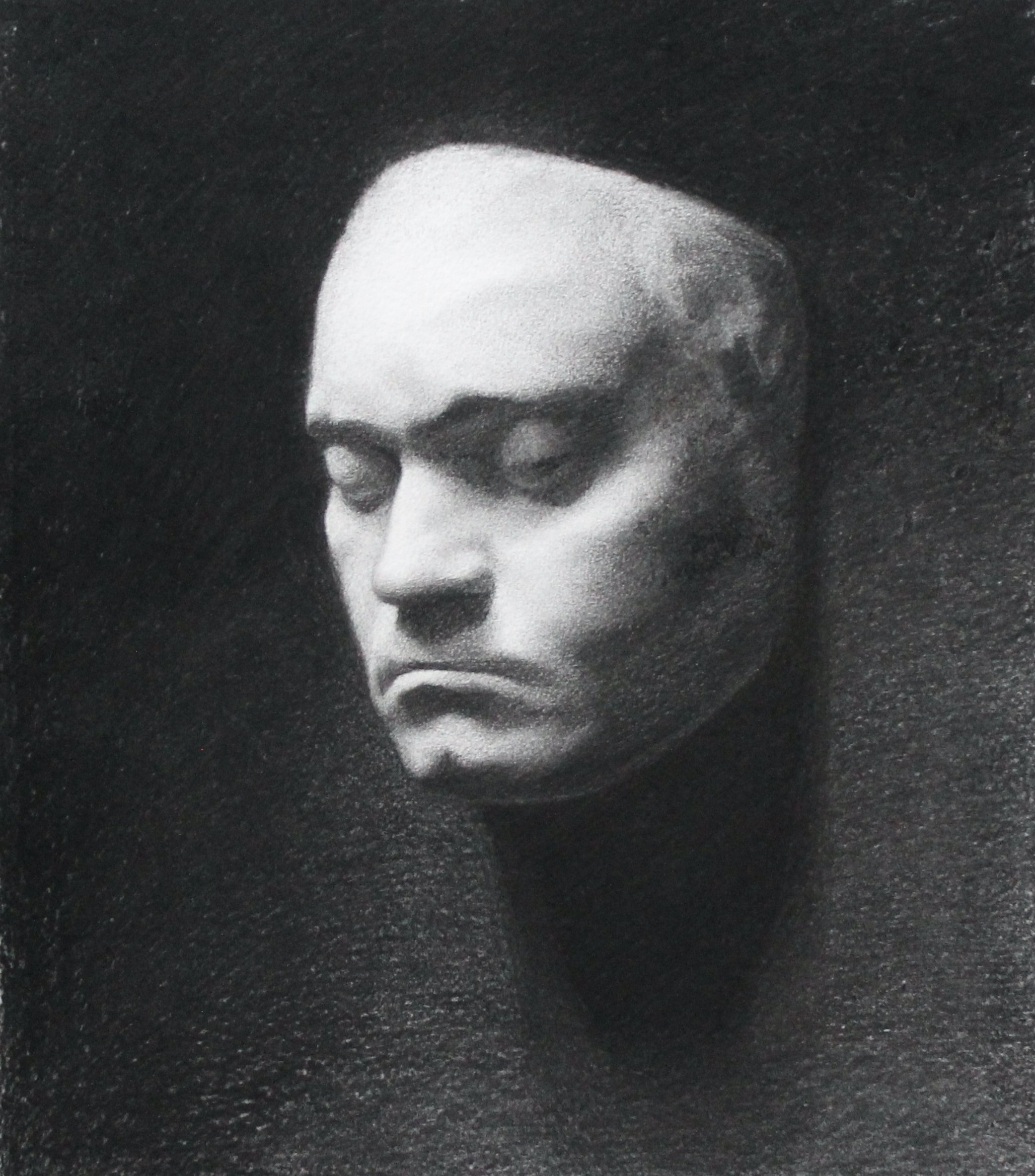
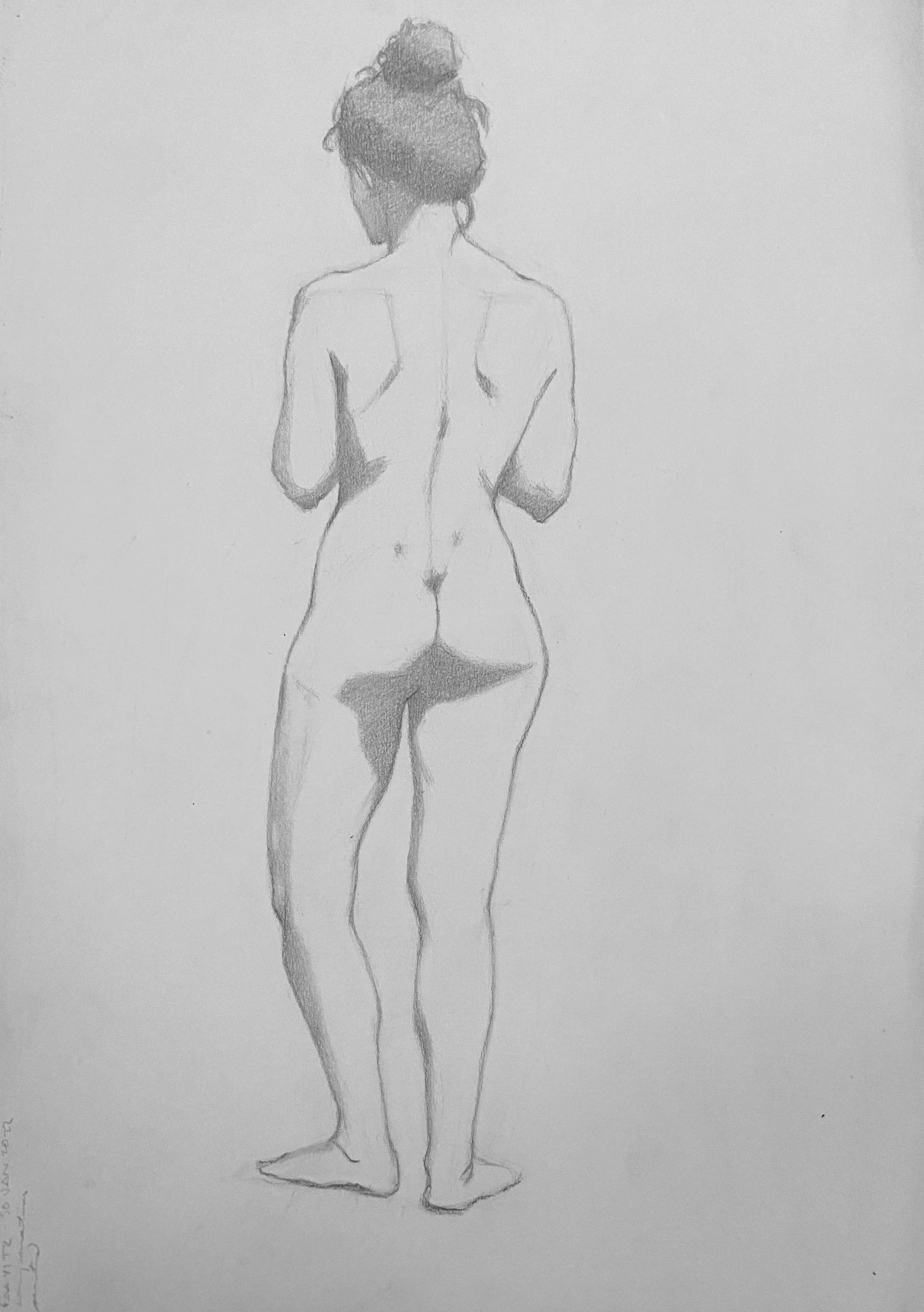
I earned my BFA from the Savannah College of Art and Design in Savannah, Ga. before studying at Lyme Academy of Fine Arts in Old Lyme, Conn. and the Florence Academy of Art in Florence, Italy.
I am currently teaching workshops at the Telfair Museum in Savannah. You can sign up on their website.
I also teach privately; if interested, you can complete the form below. See below also for testimony from a current student.
Testimony
“If you want to learn to draw the human figure, Astoria and her process is one of the best ways to learn. I have been Astoria’s student since June 2025 and have already learned so much.
What I especially like about Astoria’s teaching is her academic approach as taught in ateliers. She teaches you the all-important fundamentals. These fundamentals have really helped me in my approach to drawing the figure. Astoria has taught me not only what I need to do in drawing the figure, but why these steps are necessary.
Astoria’s technique is a process, and it requires discipline. However, I have seen exponential improvement in my drawings – my figures now have much better proportions.
Astoria does teach the 19th century French academic method, but she doesn’t run it like a boot camp. Astoria brings a personal component that I really found beneficial. She asked me what I wanted to gain from learning the process. That was easy – I want to develop my own artistic style. I believe the best way is to master the figure and organically develop a style. Previously, any artistic style I had was based upon my technical limitations. Astoria is helping get to where I want to be as a figurative artist.”
— Dennis O’Brien
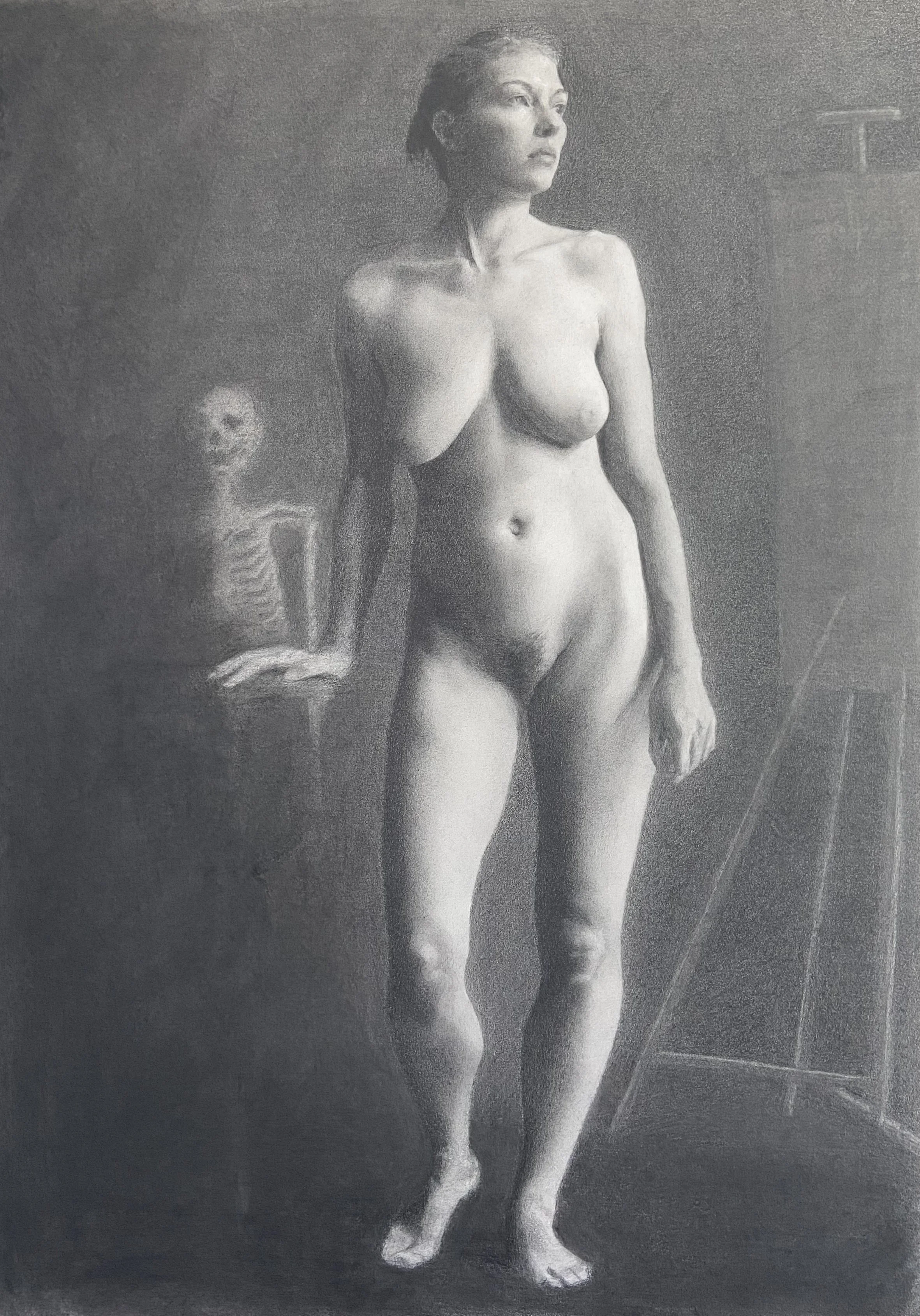

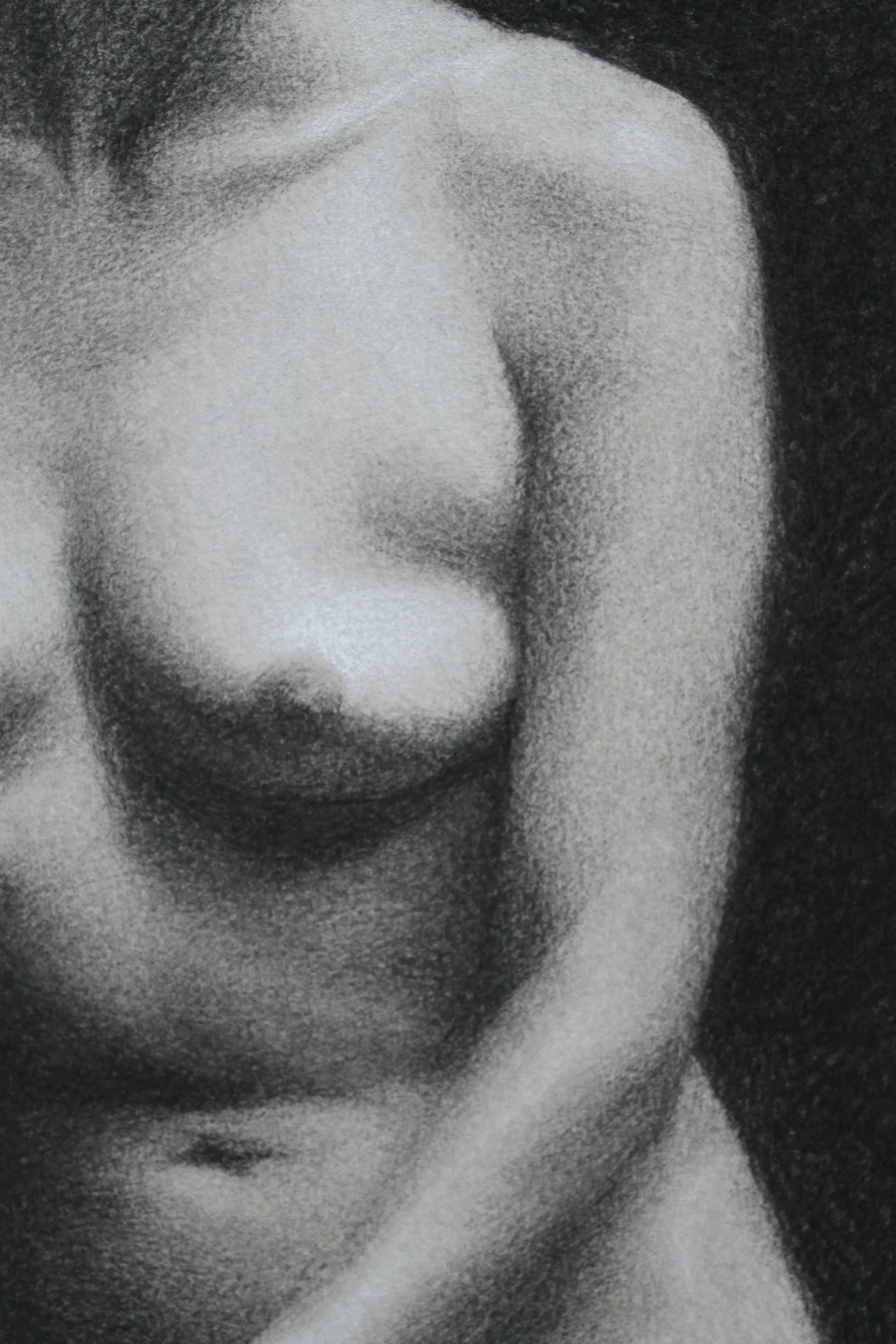
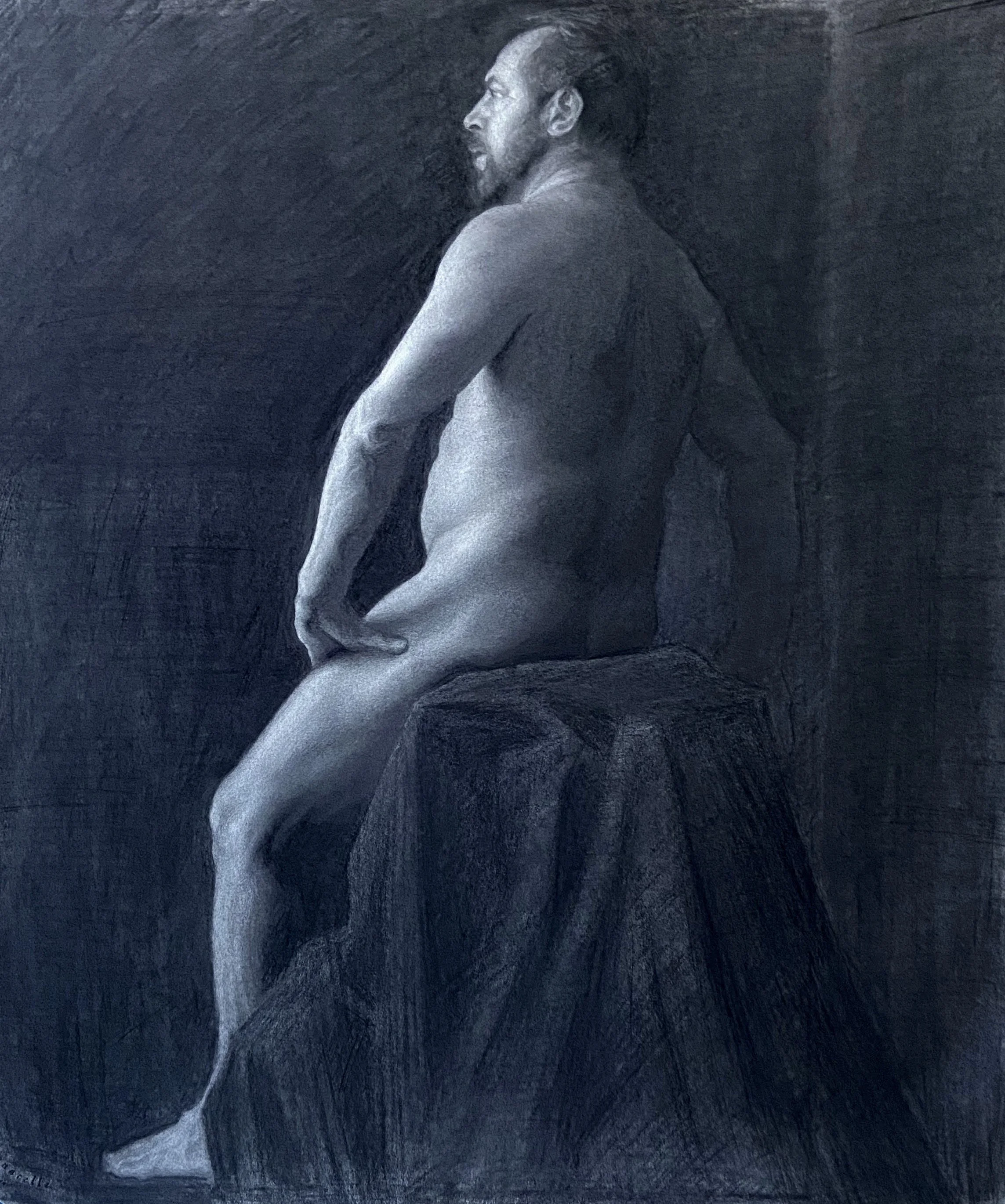

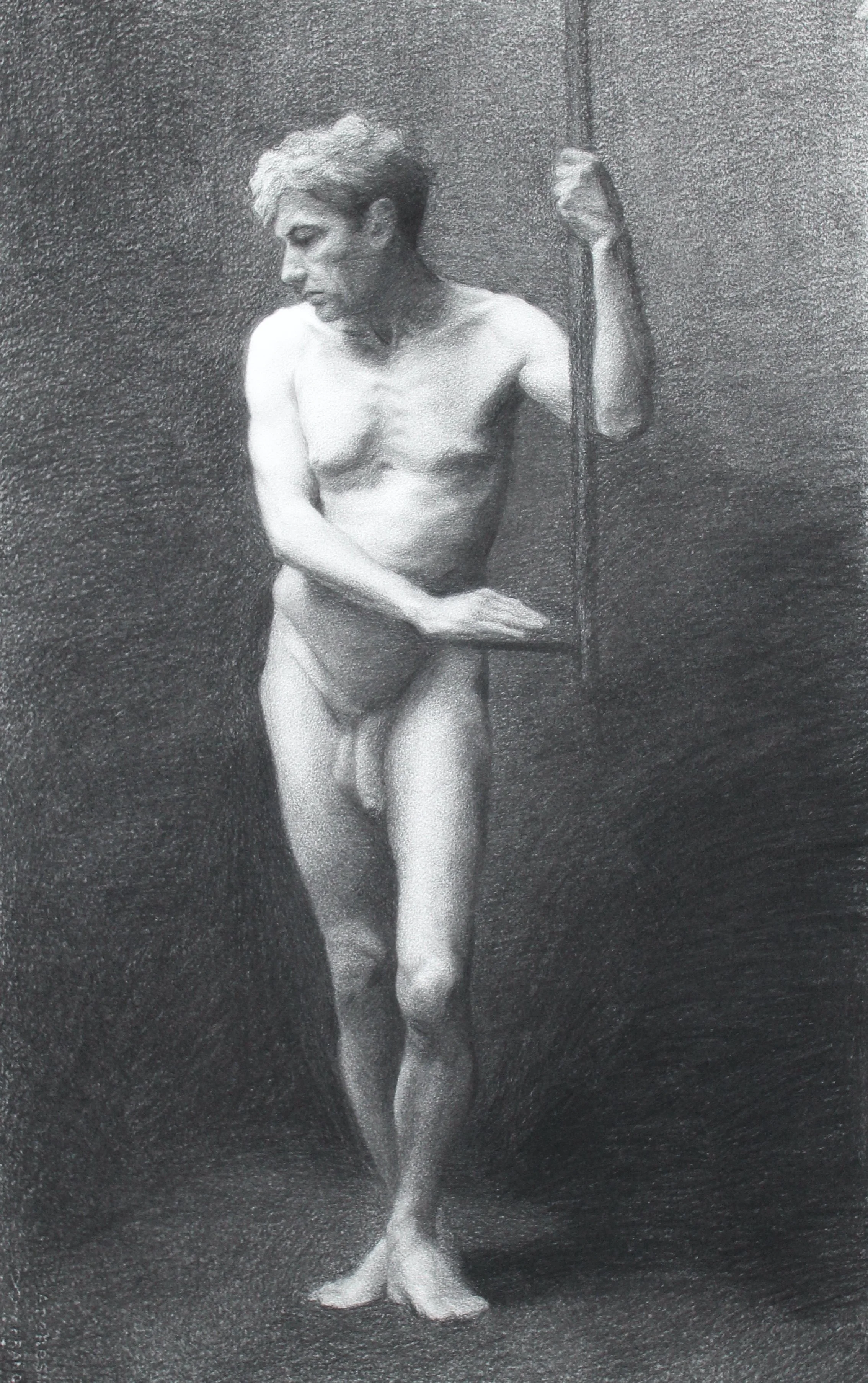


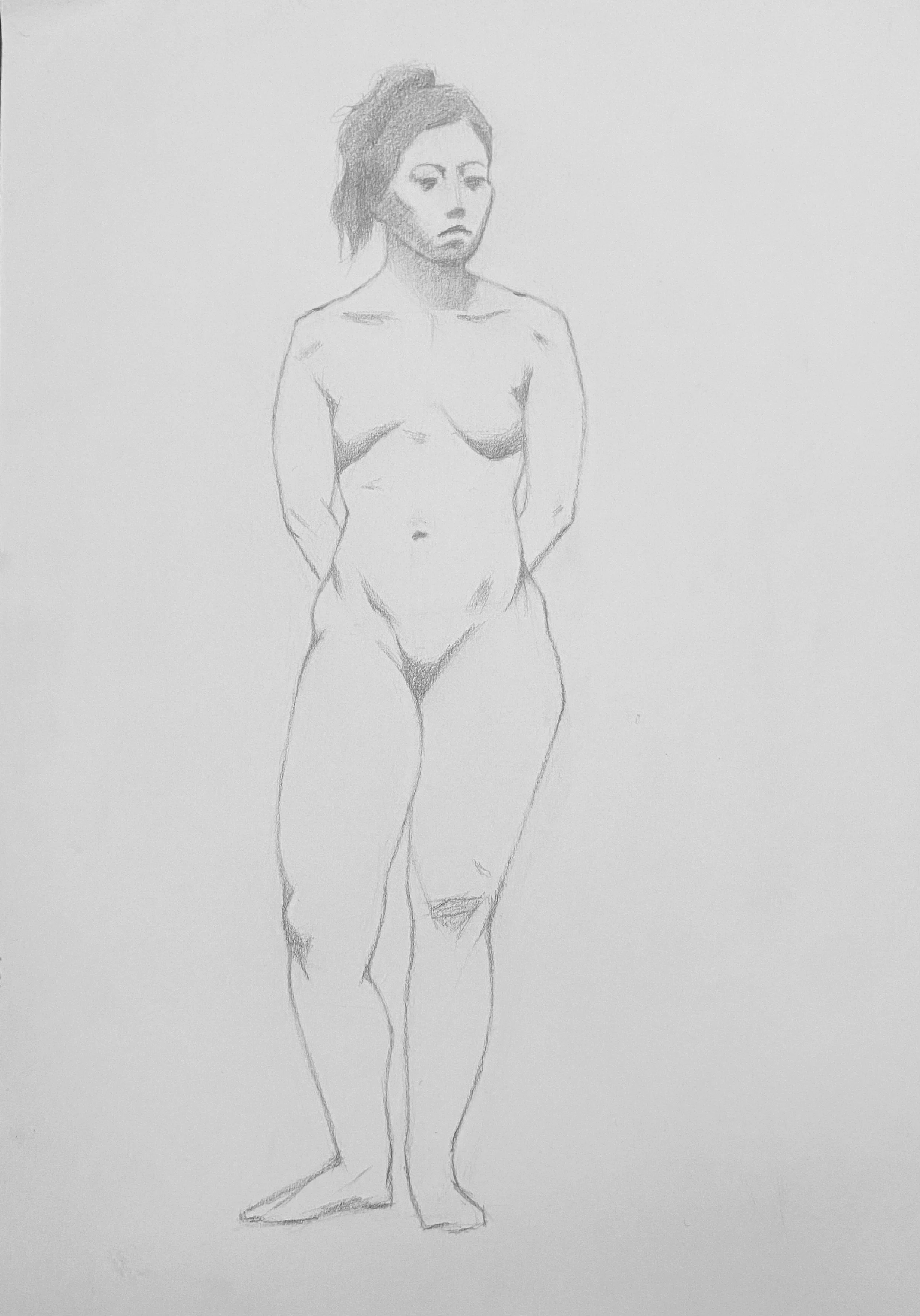
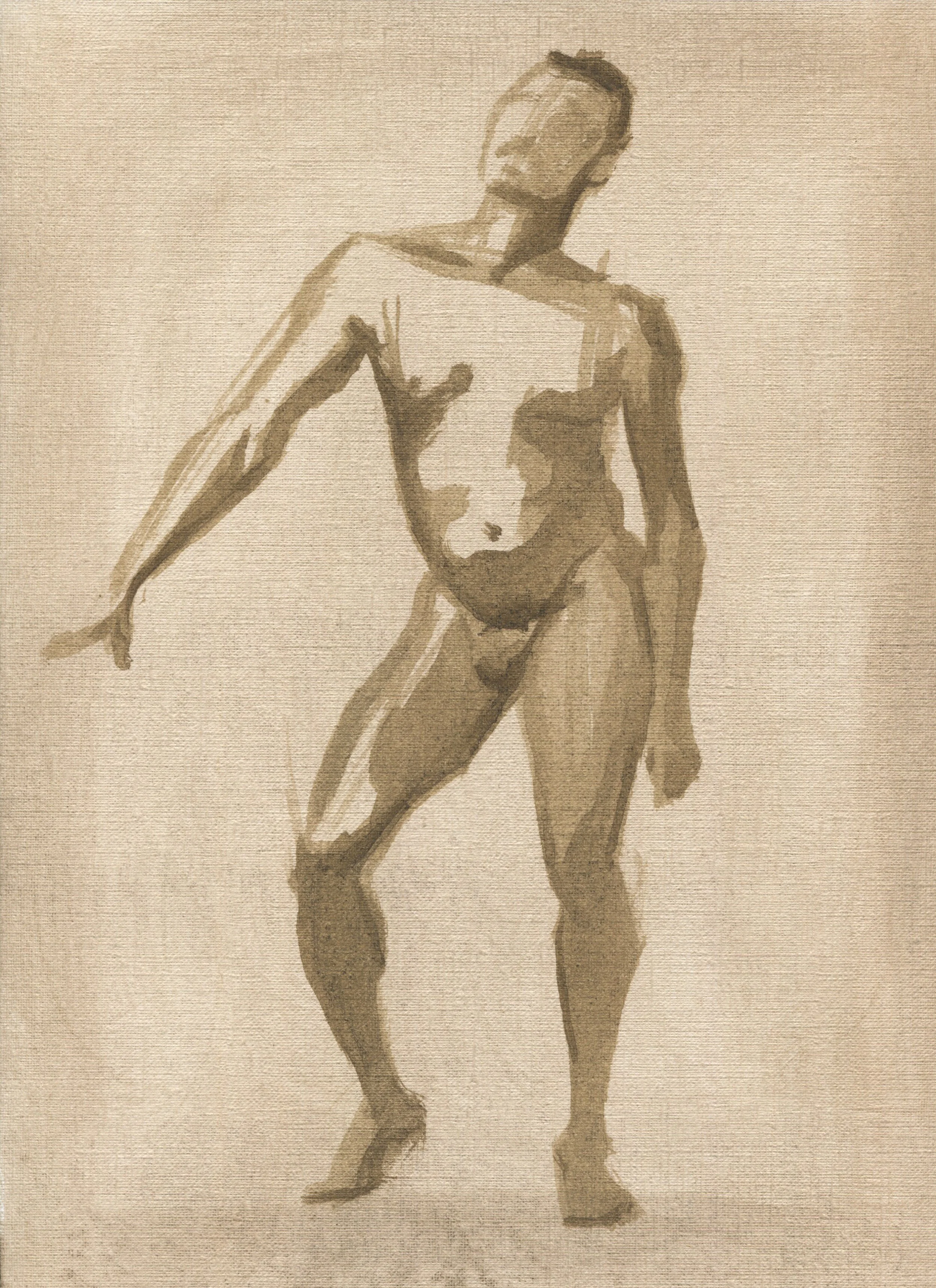
ON MY DRAWING PHILOSOPHY
For the human being to draw realistically - and to draw, of all things, another human being, the subject with which we are at once both most intimate and most arrogant - requires a rigorous discipline of mind in which we constantly check our assumptions. Sight is the sense we may take most for granted, and applying this level of skepticism to it requires us to both slow and intensify our attention to the internal process of perception, understanding, and explanation. Drawing accurately from life requires us to quiet the emotions, detach from any egoic notion of performance or competition, and constantly bring our attention back to the present moment, to the reality before our eyes.
This process of slowing down and truly observing introduces a rare gaze to this era of glances. It forces us to savor the detail and the whole, the simultaneous simplicity and complexity, and overall unity, of the subject. A human being becomes, on one hand, a composite object of analyzed shapes, edges, values, hues, and more; and on the other hand, an irreplaceably unique living being. This way of seeing is a practice of reverence. It is a powerful corrective to this era of glances rather than gazes, and to the corrosive dehumanization of others.
The method also teaches students to become comfortable with mistakes, which are both inevitable and necessary, because it is the act of adjustment and correction that is the true practice of understanding – for we must all pass through error to arrive at truth.
The practice of drawing the figure from life, with the help of someone who can guide our sight, helps us to transcend reality even as we remain firmly grounded in it. In drawing from life we come into closer contact with that life, which is also our own, and to approach yet another of the singularities at the heart of every dichotomy: between mind and body, between emotion and intellect, between perceiving and understanding. At the point of flow state, these dichotomies dissolve and oneself, as subject, is at one with the object of observation: we collapse into the terminal paradox at the center of existence, conscious of both unity and separation at once.